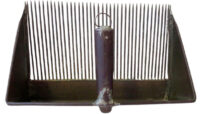
 Download This Full Lesson: From Common Land to Commodity
Essential Question: How did wild blueberries become one of Maine’s most important agricultural commodities?… view full description & alignments
Lessons & Resources for Educators
Download This Full Lesson: From Common Land to Commodity
Essential Question: How did wild blueberries become one of Maine’s most important agricultural commodities?… view full description & alignments
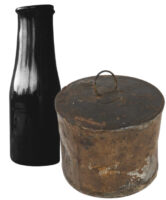 Download This Full Lesson: War and the Rise of the Cannery
Essential Question: How have history, technology, and innovation shaped the foods we eat today?… view full description & alignments
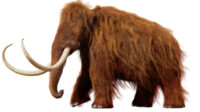 Download This Full Lesson: People of the Dawn
Essential Question: How do different beliefs about land influence the way people care for it?… view full description & alignments
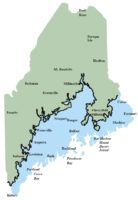 Download This Full Lesson: Before the Blueberries
Essential Question: How did glaciers help create the perfect home for Maine’s wild blueberries?… view full description & alignments
 Download This Lesson:
Mills and Money Background
Activity: Getting to Know a Maine Mill Girl
Rubrics for Assessment
Lowell Mill Girls
Ideas for Alignment
Brief Description: Mills gradually took over the spinning and weaving jobs done at home. Because of the number of rivers in Maine, water power was plentiful so many mills and mill towns were established. Mills carded, spun yarn and wove fabric. Maine was even involved in the production of silk thread in the mid to late 19th century. Often very young people worked in the mills and the jobs were dangerous. Students will discover what working … view full description & alignments
 Download This Lesson:
Maine’s Fiber Beginnings Background
Activity: Braiding Grasses
Braiding Instructions
Rubrics for Assessment
Ideas for Alignment
Brief Description: Native Americans in Maine used many types of fibers throughout their history. In this lesson students will discuss the effect of climate and geography on their fiber choices and experience gathering and using tall grasses to braid into useful objects.